Why Fair Play Films Now?
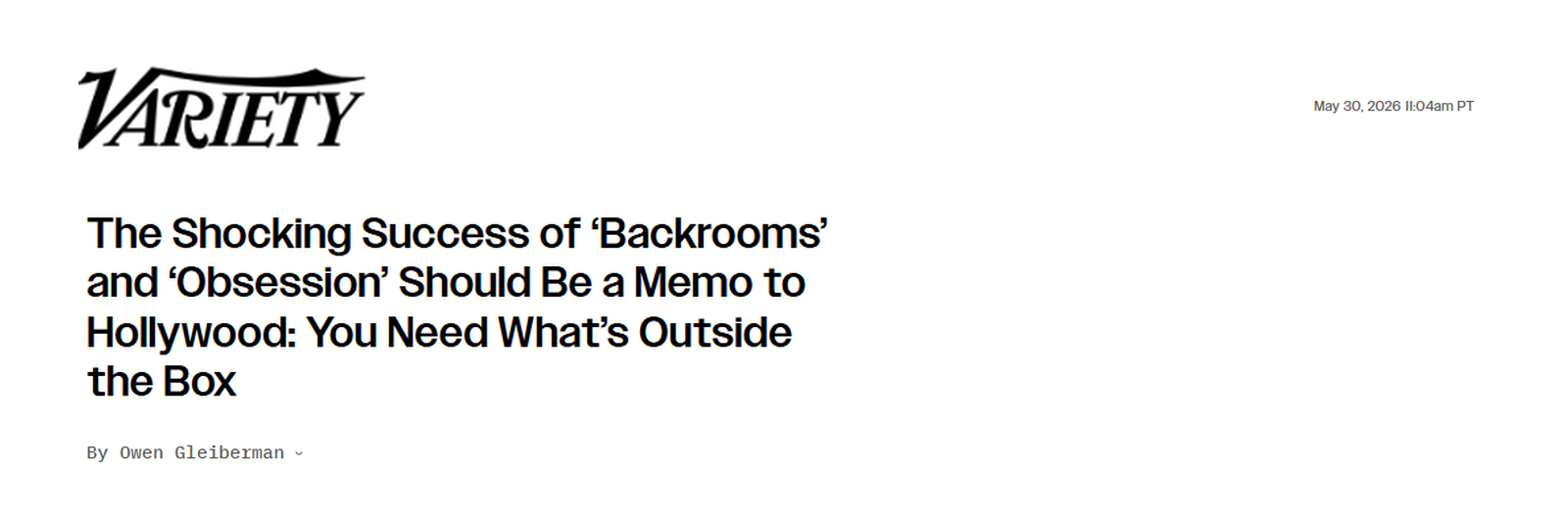
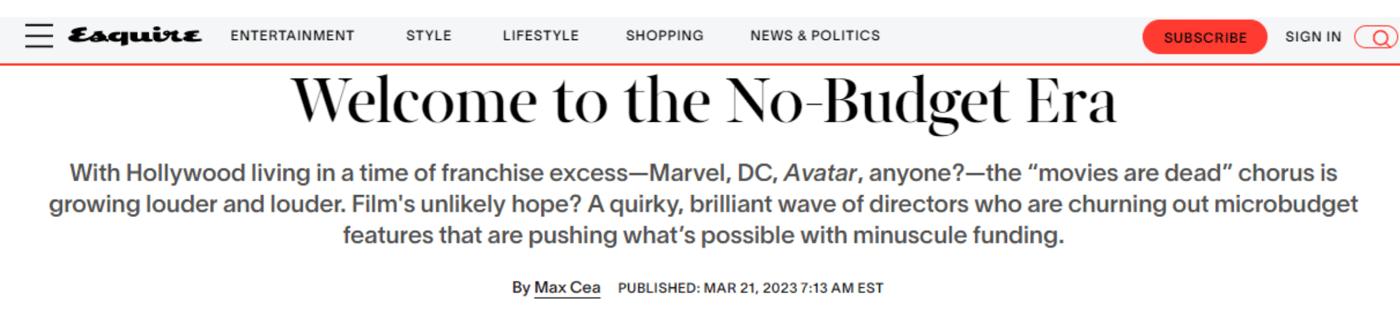
Streaming has changed the game, but not everyone got the memo. Independent creators are thriving with lean, audience-first storytelling, while the people making the content still don't look like the people watching it.
While major studios scramble to stay relevant, independent creators are thriving with lean, audience-first storytelling. Here's the problem: the people making the content don't look like the people watching it. And when budgets tighten, diversity is often the first “expense” to go.
Fair Play Films is flipping that script. We build scalable, story-driven IP with built-in audiences, merging indie creativity with a startup mindset. Smart budgets. Authentic voices. Real cultural impact.
Our Production Solution
We're rewriting the production playbook. Our crews are built from a network of powerhouse women, BIPOC, and Queer filmmakers: people who know how to make magic happen without million-dollar waste.
Our secret weapon is a transparent, tiered pay system. No inflated salaries, no backroom deals. Everyone gets paid fairly, and the savings show up where it matters: on screen.
"The outcome: consistent, high-quality films with strong margins and clear social value."
Niche audiences are loyal, engaged, and ready to buy, with no A-list price tag required.
Sustainability
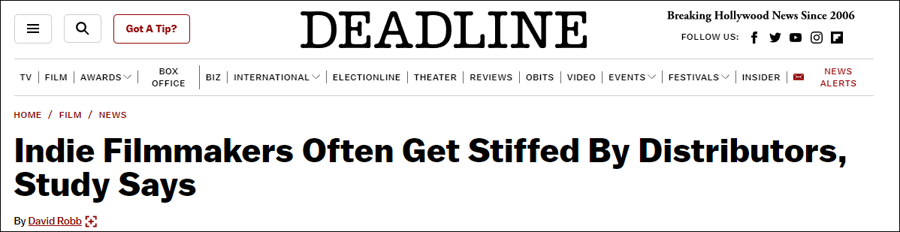
The current model for independent film is broken. Even award-winning projects from Sundance and Berlin struggle to find fair profit sharing. Buyers offer exposure, not equity. At Fair Play Films, we believe sustainability starts with ownership. Alongside fair day rates, every cast and crew member participates in profit sharing, rewarding the people who make the work and building loyalty, community, and long-term value.
Our plan begins with a hybrid release strategy:
- Film festival premieres, to build prestige and buzz
- Targeted art-house runs in key cities
- Transition to a filmmaker-owned streaming platform
By controlling our own distribution, we're creating a circular economy for indie filmmakers: one where creativity, compensation, and control finally coexist.
Empowering Underrepresented Filmmakers
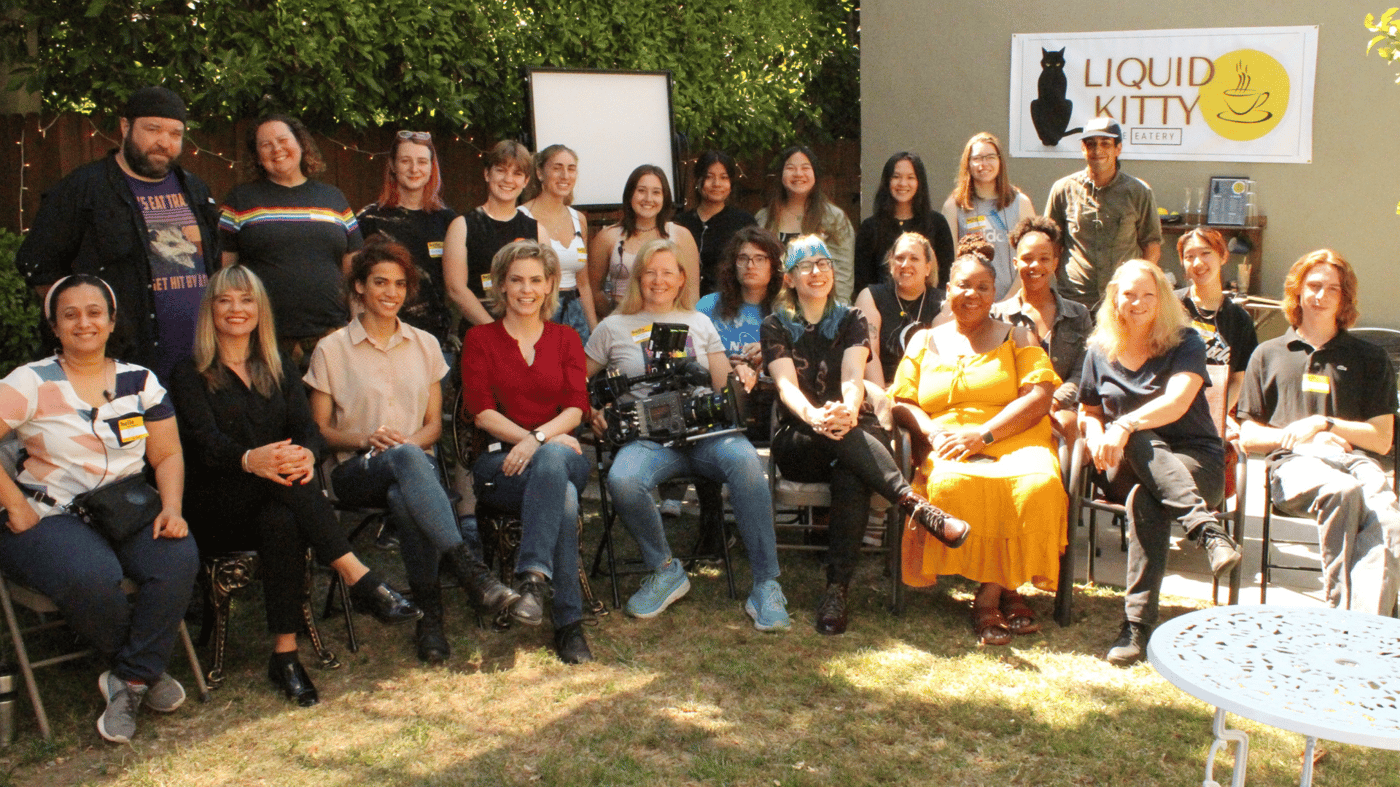
This initiative is about creating meaningful projects and a sustainable business model that opens doors for underrepresented filmmakers and writers to break into the industry. As a values-driven initiative, we're committed to mentoring and training the next generation of filmmakers on each production, paving the way for a more inclusive and diverse entertainment industry.
Our proof of concept film, Under the Influencer, proudly featured a diverse cast and crew:
The Film Market
Our film slate is aimed at proven and historically profitable niche markets: horror and LGBTQ-inclusive content.
A detailed analysis of data pulled from IMDB shows that low-budget horror films offer the highest ROI of any genre in the film market, and have for years. Horror sells globally because fear doesn't need a translator: the universal experience of terror and death touches every human across all demographics. Horror also happily recycles its core concepts and tropes: no matter how clichéd, repetitive, or overdone a certain sub-genre may seem, it can constantly be recreated, tweaked, and tinkered with to breathe new life into tired ideas. And horror generates significant fan engagement, both online and offline: horror fans are rabid consumers of niche content and offer ample opportunities for merch sales and Horror Con tie-ins.
World LGBTQ annual spending power currently stands at $3.9 trillion and continues to grow. The queer community is a loyal and lucrative market when properly engaged. Pink money is a powerful economic force. Nielsen research confirms that LGBT moviegoers are more likely to watch their favorite movies again and again: three out of every ten respondents reported seeing a new-release film more than once over the past year, making them 22 percent more likely to do so than heterosexual moviegoers. Nielsen also found that 49% of LGBTQ+ moviegoers said they had texted, tweeted, or posted about a movie the same day they saw it, compared with only 34% of heterosexual moviegoers. Queer fandom is a driving force behind the viral popularity of dozens of TV shows and films.